

Personalized learning in education: how to reach every student
22.10.2026 • 5 minutes
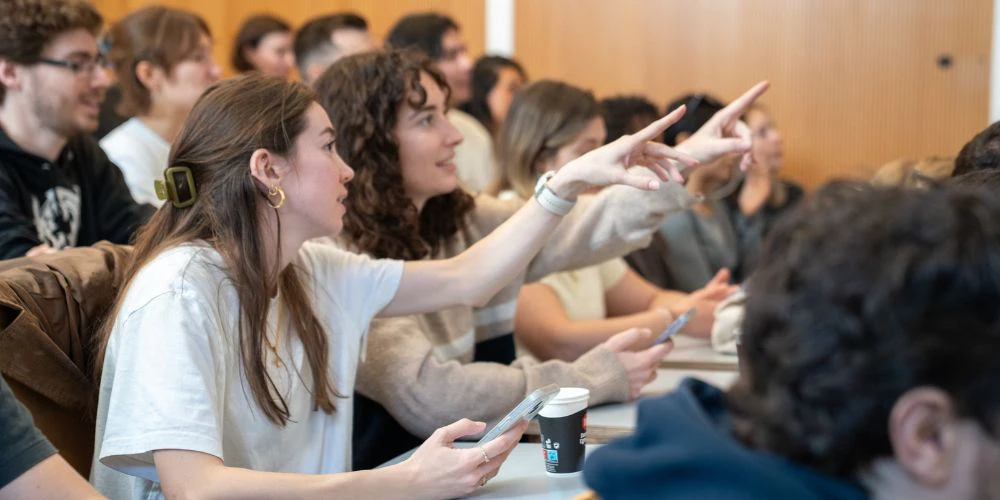
In most classrooms, thirty students follow the same lesson at the same pace. Some grasp the concept quickly, some might need a few days, and some students haven’t caught up yet. Personalized learning in education is an approach that changes this. Grounded in neuroscience and education, it adapts to each student's needs, pace, and strengths rather than expecting learners to adapt to one lesson method.
Key Takeaways
- Personalized learning adapts teaching style, pace, and content to each student's individual needs, rather than expecting all learners to move at the same speed.
- It benefits both sides of the classroom: students build confidence and get early support, while educators gain real visibility into where each learner actually is.
- You don't need to overhaul everything. Small group instruction and project-based learning are practical starting points that make a real difference.
- Personalized learning is the foundation of inclusive education, creating space for students with learning differences, those building language fluency, and those with foundational gaps.
What is personalized learning in education?
Personalized learning is an educational approach that adapts instructors' teaching style, pace, and learning experience to each student’s individual needs, interests, and strengths, rather than delivering the same content the same way to all the learners. This level of personalization starts with understanding where each student actually is
This is what separates personalized education from traditional schooling. In a conventional classroom, all students move through a curriculum at the same pace, whether or not all of them are ready. In a personalized learning classroom, students move through the curriculum at their own pace, in a learning environment built around where they actually learn best.
The key elements of personalized learning include flexible pacing, learner choice, targeted instruction, and continuous feedback. Together, they build a learning experience where students are met where they are, not where teachers assume they should be, regardless of their background or interests. This is what makes personalization work in practice.
This is where the zone of proximal development (1) comes in: students learn best when challenged just beyond their current level, with the right support. A personalized learning approach builds instruction around exactly that.
Benefits of personalized learning for students and educators
Personalized learning benefits both students and teachers.
For your students: when instruction matches where they actually are, learning clicks faster and academic progress becomes visible. Students build confidence and skills because they're not being pushed past what they've understood yet or held back from what they're ready for. Those who are falling behind academically get support early, before small gaps grow into bigger ones.
For you as an educator: it changes what teaching looks like. Instead of delivering the same lesson to thirty different students and hoping it lands, you get real visibility into where each learner is, with data that provides the insight to act. You can adjust your instructional approach, regroup, and respond, not at the end of the unit, but while it still matters, and that benefits the whole school.
How to implement personalized learning in your classroom
Implementing personalized learning doesn’t mean that you have to redesign everything. The teacher's role shifts from delivering content to responding to it.
Personalized learning strategies for teachers
Small group instruction is the best and simplest approach to start with. Working with three to five students lets you ask the right questions and help you find the gaps early, so that you can adjust your teaching accordingly, and provide targeted support before the gap increases.
Project-based learning works well too. Open-ended questions give students a real choice in how they engage at a level that suits them and where they do not feel forced. Students collaborate, take ownership, and build confidence through the work itself, it's not just about the grade at the end. This supports social-emotional learning, students build through collaboration, not just through results.
Personalized learning technology
Technology plays a vital role here. The right digital tool tracks data on individual student progress, supports skill development, shows who needs support, reinforces active recall, and delivers content at the level where it actually reaches each student. All this can be done without manually monitoring every student, giving every learner across the school access to the right digital content, not just the few sitting right in front of you.
Personalized learning and inclusive education
Across schools, not every student learns at the same level. Some might still be catching up from last year. Some have learning differences or educational needs that do not suit the standard lesson. Some need more time, different explanations or different learning materials.
Personalized learning creates space for all of them. Students with learning differences get instruction adapted to their particular needs and how they learn best. Students still building fluency in a language of instruction move at a pace that doesn’t penalise them for needing more time. Students who may have missed foundational knowledge get support and access to the right resources, instead of being expected to keep up regardless.
When your teaching responds to individual needs, education stops being an abstract goal and starts being something you can actually build into your classroom, one student at a time, and it gets easier over time. This creates inclusion and makes educational equity a reality for every student in every school, something educators at the University of Sheffield have seen first-hand, and it's the foundation of inclusive education for every learner.

How Wooclap supports personalized learning
Wooclap is an active learning platform built on the same principles that make personalization work: real-time feedback, visibility into individual understanding, and active student involvement.
With more than 20 interactive question types, you can see where each student stands before moving on. A live poll will tell you who's ready. An open question will tell you what didn't land. That kind of immediate insight plays a key role in helping you adjust in the moment, for every student in the room, not just the ones who raise their hand.
Wooclap gives confidence to those who might not speak up in class, but who will write and submit ideas and responses.
Educator at the University of Edinburgh
For a practical guide on running accessible sessions with Wooclap, we've got you covered.
For example: when a student hesitates to raise their hand or to ask their doubts in front of the class, an open question captures their thinking and they can express themselves freely.
Conclusion
Personalized learning in education isn't a trend, it's a shift in how the learning process actually works. When instruction adapts to each student rather than the other way around, more students succeed, more equitably, and more consistently.
The good news is you don't need to overhaul everything at once. Start with small group instruction. Try a project-based task. Use a quick poll to see where your students actually are before moving on. Over time, those shifts add up, not just in your classroom but across schools, where every student is learning at their own pace.
Tools like Wooclap make that easier from day one. Try a live poll in your next session and see what it tells you.
Frequently Asked Questions
What is personalized learning in education?
Personalized learning in education is an approach where instruction, pace, and learning experiences adapt to each student's individual needs, strengths, and interests. Rather than moving all students through the same content at the same speed, teachers adjust their methods based on where each learner actually is.
What are the benefits of personalized learning?
Personalized learning helps students build confidence by working at the right level, reduces frustration for those who need more time, and prevents small gaps from becoming bigger ones. For educators, it creates real-time visibility into student progress, making it easier to adjust instruction before it's too late.
How can teachers implement personalized learning?
Start with small group instruction and project-based learning, both allow students to engage at the depth that suits them. Regular formative assessment check-ins, like quick polls or open questions will help you see where each student stands. Personalized learning technology can support this by tracking individual progress across the whole classroom.
How does personalized learning support inclusive education?
Personalized learning directs support to where it is genuinely needed. Students with learning differences, those still building language fluency, and those with gaps in foundational knowledge all benefit from instruction that responds to their actual starting point, rather than an assumed one.
Source:
1. McLeod, S. (2025). Zone of Proximal Development. Simply Psychology.


A monthly summary of our product updates and our latest published content, directly in your inbox.